

If you export products overseas and use wooden pallets or crates, you have likely encountered the term ISPM-15. This international standard affects nearly every shipment that crosses borders in wood packaging. Understanding what it requires and why it exists can save you from costly delays, rejected shipments and frustrated customers.
What Is ISPM-15?
ISPM-15 stands for International Standards for Phytosanitary Measures No. 15. It is a regulation developed by the International Plant Protection Committee or IPPC, to prevent the spread of invasive insects and diseases through wood packaging materials. When wooden pallets, crates or dunnage move between countries, they can carry pests hidden beneath the bark or inside the wood fibers. These pests may not have natural predators in the destination country, which allows them to multiply and damage forests, crops and ecosystems.
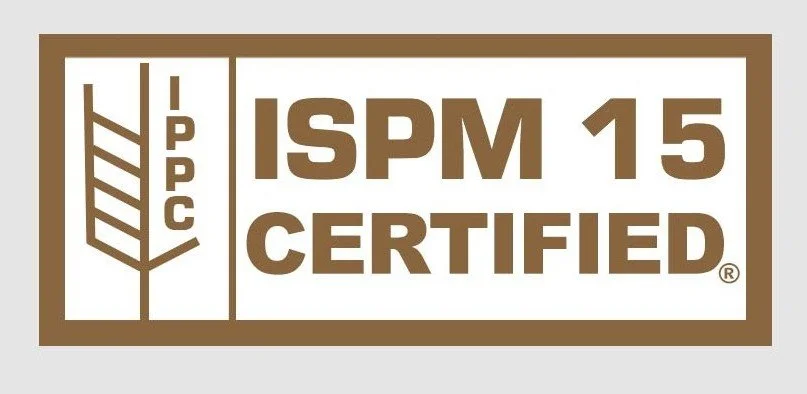
The standard requires that all wood packaging used in international trade undergo approved treatments to eliminate any organisms living in the wood. Heat treatment is one of the accepted methods and it has become the most common approach for exporters worldwide.
How Heat Treatment Works
Heat treatment involves raising the core temperature of the wood to at least 56 degrees Celsius for a minimum of 30 continuous minutes. This temperature kills insects, larvae and fungi that might be present inside the lumber. The process takes place in specialized kilns or chambers where temperature probes monitor the wood throughout the cycle.
Once the wood has been properly treated, the manufacturer stamps each piece with the official IPPC mark. This mark includes the country code, the treatment method (HT for heat treated) and a registration number that identifies the facility that performed the treatment. Without this mark, customs officials in many countries won’t allow the wood packaging to enter.
Why Exporters Need Certified Wood Packaging
Many exporters discover the importance of ISPM-15 compliance only after a shipment gets stopped at the border. When customs inspectors find untreated wood packaging, they have several options. They can require the shipment to be treated at the destination, which costs money and time. They can order the wood packaging to be destroyed and replaced. In some cases, they may refuse the entire shipment and send it back to the origin.
These outcomes create problems that extend beyond the immediate shipment. Delayed deliveries strain relationships with buyers and additional costs reduce profit margins. The administrative work required to resolve non-compliance issues pulls staff away from other responsibilities.
The Role of Heat Treated Wood Pallets
Heat treated wood pallets serve as the backbone of international shipping for many industries. These pallets carry everything from automotive parts to food products to industrial equipment. The treatment process doesn’t change the structural properties of the wood. The pallets remain strong, durable and capable of handling heavy loads.
One advantage of heat treatment over chemical alternatives is that it leaves no residue on the wood. For food and pharmaceutical shipments, this makes heat treated pallets a preferred choice. The treatment also doesn’t affect the appearance or smell of the lumber, so the pallets look and function the same as untreated ones.
Working with an ISPM-15 Certified Supplier
Choosing the right packaging supplier simplifies the entire compliance process. A facility that holds ISPM-15 certification has the equipment, procedures and documentation systems in place to handle international shipments properly. When you order heat treated wood pallets from a certified supplier, you receive products that already carry the required IPPC stamp.
McVantage Packaging operates a certified heat treatment facility in Tuscumbia, Alabama. Our process meets all ISPM-15 requirements and we stamp every pallet and crate that leaves our facility for international destinations. Certificates are available upon request, which gives you the documentation you need for customs clearance.
Common Questions About ISPM-15
Some exporters wonder whether all wood needs treatment. The regulation applies to solid wood packaging, including pallets, crates, boxes and dunnage. Engineered wood products like plywood and oriented strand board are exempt because the manufacturing process already eliminates pests. Similarly, small pieces of wood under six millimeters in thickness don’t require treatment.
Another question involves whether recycled pallets can be used for export. Recycled pallets can be ISPM-15 certified if the individual components have been treated and marked. However, repairs to a certified pallet must use heat treated materials and the repaired pallet needs to be re-stamped by a certified facility.
Planning Your Export Packaging
The most straightforward approach to international shipping involves building your packaging strategy around ISPM-15 requirements from the start. Ordering heat-treated wood pallets as your standard export packaging eliminates the need to sort treated from untreated inventory. It also ensures that any pallet you pull from stock is ready for international shipment.
Check whether any destination has additional requirements beyond ISPM-15 if you ship to multiple countries because some nations have specific rules about bark removal or wood species. Your packaging supplier should stay current on these regulations and advise you accordingly.
Heat-treated wood pallets and ISPM-15 compliance aren’t optional for most international shipments. They are requirements that protect both the exporter and the importing country. Working with a certified supplier who understands these standards gives you one less thing to worry about when your containers reach the port.